
If you’re trying to make your kitchen more sustainable, even small upgrades can shift your daily habits.
A handmade coconut bowl offers a simple yet meaningful change. Instead of relying on synthetic or mass-produced materials, you’re choosing something reclaimed, natural, and environmentally responsible.
This isn’t just about appearance—it’s about aligning your kitchen with a more mindful lifestyle. You’re reducing waste while adding a unique, organic touch to your space.
What You’re Getting with a Coconut Bowl
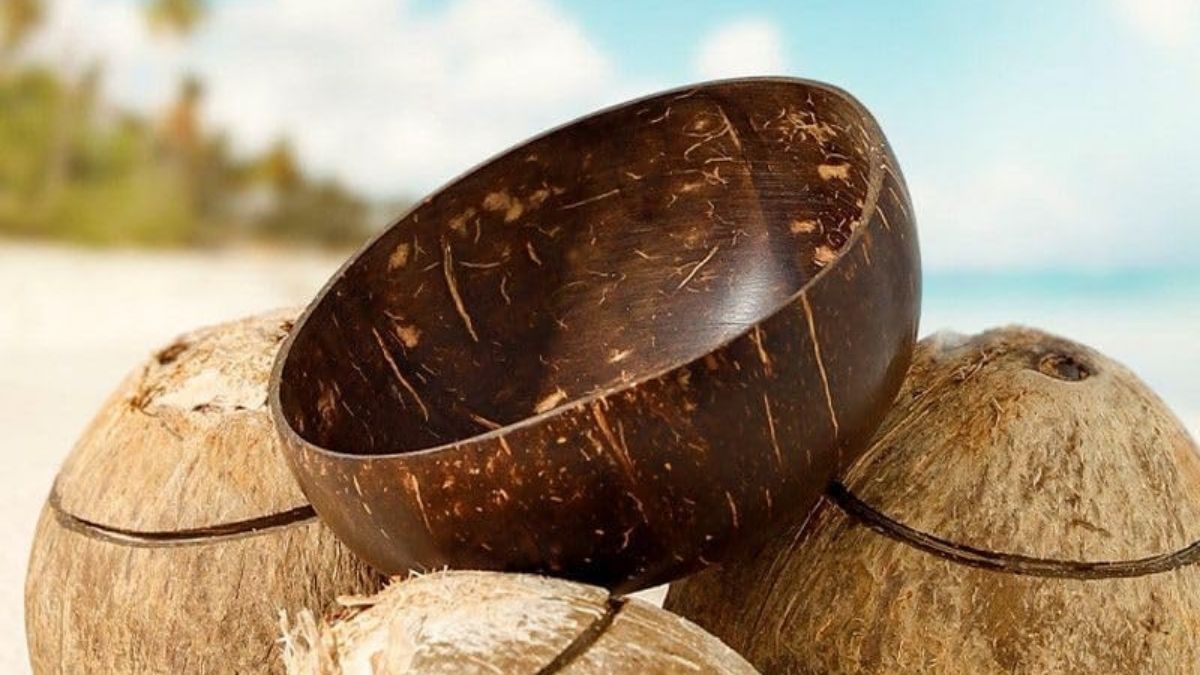
Before using it daily, it helps to understand what makes this bowl different from standard options. Each piece is crafted from a real coconut shell, which means no two bowls are ever identical.
You’ll notice:
- Natural grain patterns and color variations
- Slight differences in size and shape
- A rustic finish that highlights its raw origin
Because of this, you’re not just buying a bowl—you’re getting a one-of-a-kind item that reflects natural craftsmanship.
Material and Craftsmanship: Why It Matters
Before looking at performance, it’s worth understanding how materials affect durability, safety, and overall experience. With coconut bowls, the natural composition plays a major role.
100% Natural Construction
You’re getting a bowl made entirely from reclaimed coconut shells. There are no plastics, no synthetic coatings, and typically no chemical treatments involved.
This makes it ideal if you want to:
- Reduce your reliance on plastic kitchenware
- Support eco-conscious production
- Use safer, more natural materials for food
Hand-Finished Surface
Most coconut bowls are polished using natural oils to enhance their texture and appearance. However, because they’re handmade, the finish can vary slightly from one bowl to another. This adds character—but also means you shouldn’t expect factory-level consistency.
Size, Capacity, and What to Expect
Before you decide how to use it, understanding the size helps you avoid unrealistic expectations. Coconut bowls are designed more for presentation and light meals than heavy-duty use.
These bowls typically measure about 5 inches in diameter and hold roughly 16–27 ounces. That places them in the small-to-medium category.
For you, this means:
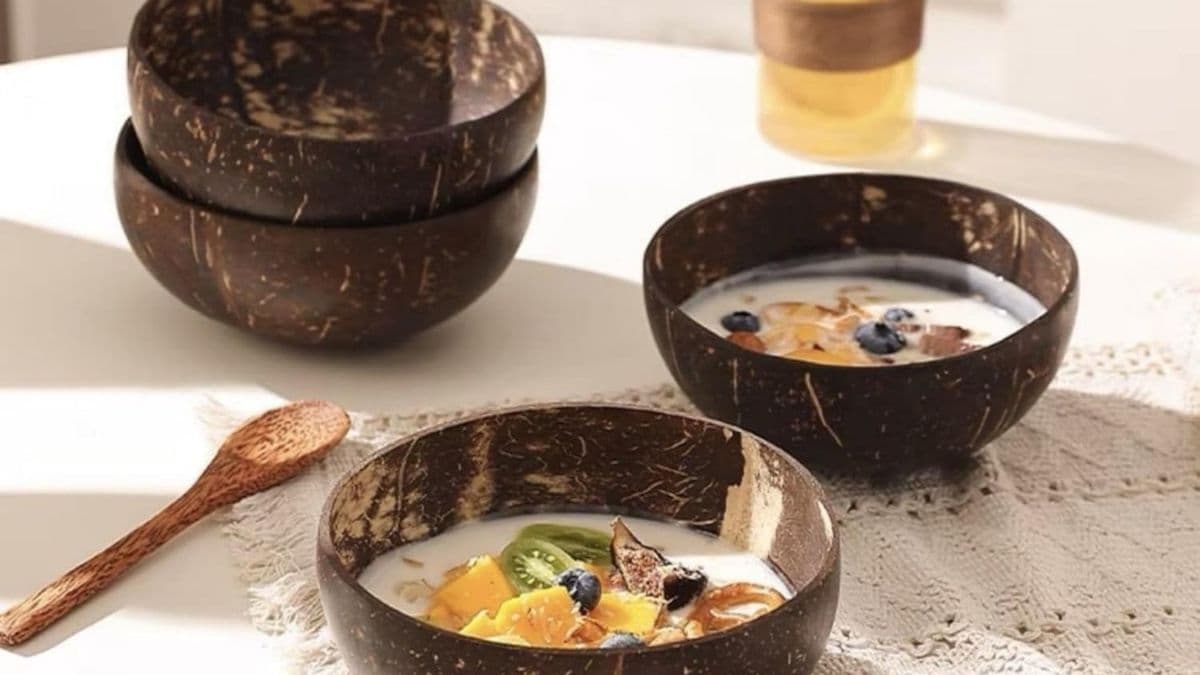
- Great for smoothie bowls, snacks, or desserts
- Suitable for light meals or side servings
- Not ideal for soups or large portions
Understanding this upfront helps you match the product to your actual needs.
Everyday Use: Benefits and Trade-Offs
Before deciding if this bowl fits into your routine, it’s important to look at how it performs in real-life use. Like most natural products, it offers clear advantages—but also a few trade-offs you should consider.
What You’ll Appreciate
- Lightweight and easy to carry
- Visually appealing for food presentation
- Perfect for smoothie bowls and fruit displays
- Doubles as decorative kitchenware
Where You Might Hesitate
- Requires hand washing only
- Not microwave or dishwasher safe
- Size may feel limiting for some meals
- Durability depends on proper care
This balance is key—you’re gaining sustainability and aesthetics while giving up some convenience.
Care and Maintenance: A Different Routine
Before adding this to your daily rotation, you should understand that care requirements differ from standard bowls. Proper maintenance directly affects how long it lasts.
To keep it in good condition:
- Wash gently with mild soap
- Avoid soaking for long periods
- Let it air dry completely
- Apply natural oil occasionally to maintain the finish
If your routine is fast-paced, this may feel like extra effort. However, if you value longevity and sustainability, it becomes part of the experience.
Environmental Impact: A Responsible Choice
Before comparing alternatives, it’s worth highlighting why coconut bowls stand out environmentally. Their impact goes beyond just being reusable.
These bowls are made from discarded coconut shells, giving new life to materials that would otherwise be wasted.
By using one, you
- Help reduce landfill waste
- Minimize plastic consumption
- Support sustainable, low-impact production
This makes it a practical step toward a more eco-conscious kitchen.
Real User Experience: Honest Insights
Before making a purchase, looking at real feedback gives you a clearer picture of what to expect. Coconut bowls tend to receive mixed reviews due to their handmade nature.
Positive experiences often highlight:
- Affordable price point
- Unique, natural design
- Eco-friendly appeal
Common concerns include:
- Inconsistent finish between bowls
- Smaller size than expected
- Extra care required for maintenance
- This balanced perspective helps you make a more informed decision.
Who Should Consider This Bowl
Before deciding, it helps to match the product with your lifestyle and expectations. Not every kitchen setup benefits equally from this type of bowl.
This coconut bowl works best for you if:
- You prioritize sustainability over convenience
- You enjoy natural, handmade products
- You’re willing to hand wash and maintain it properly
It may not be the best choice if you:
- Need heavy-duty, everyday bowls
- Prefer uniform, polished designs
- Rely heavily on microwave or dishwasher use
A Small Change That Reflects Your Values
Before wrapping up, it’s worth stepping back and looking at the bigger picture. This isn’t just a bowl—it’s a reflection of how you choose to live and consume.
Choosing a coconut bowl adds intention to your kitchen routine. While it comes with limitations, the benefits stand out if your priorities include sustainability, aesthetics, and mindful living.
It works best as a complementary piece rather than your primary bowl. If you’re ready to explore eco-friendly kitchen options, you can check Amazon for a variety of coconut bowls and browse for more gift ideas that align with your lifestyle.